
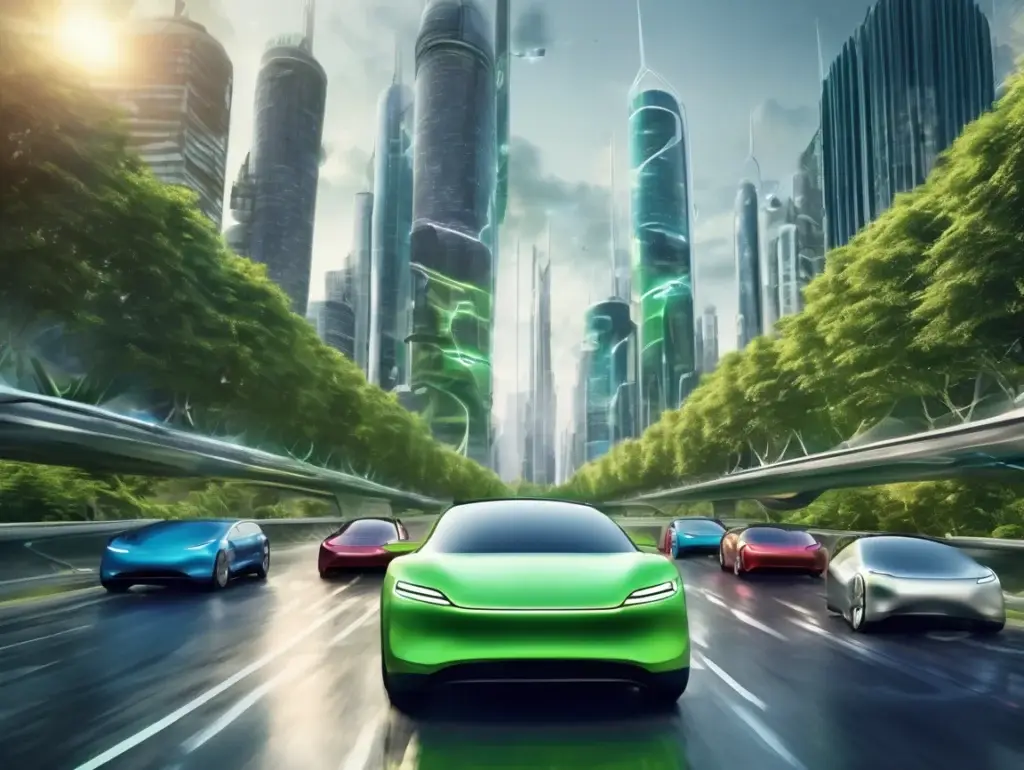
The Future of Electric Cars: What to Expect by 2030
Electric cars are no longer just a glimpse of the future – they are here, growing in popularity every year, and slowly taking over the roads. But if you think today’s EVs are impressive, just wait until you see what’s coming next. The next decade will bring huge changes not only to how electric cars work but also to how we think about transportation as a whole.
If you’re wondering whether your next car will be electric, how far they’ll go on a single charge, or whether they’ll become more affordable – this article will give you all the answers.
1. EVs Will Become the New Normal
A few years ago, electric cars were considered a luxury or a niche product for tech enthusiasts. But by 2030, this will completely change. Experts predict that more than 60% of all new cars sold worldwide will be electric. Governments are setting strict emission targets, and automakers are investing billions into EV production.
Major car manufacturers like Ford, Volkswagen, and Toyota have already announced plans to go fully electric within the next 10–15 years. Even brands known for their high-performance engines, like Ferrari and Lamborghini, are developing EV models. Simply put – the future of driving is electric, and soon, you won’t even have to think twice about choosing one.
2. Longer Range and Faster Charging
One of the biggest concerns drivers have about electric cars today is range – “Will it get me where I need to go?” The good news is that this is changing rapidly.
Right now, most affordable EVs offer around 250-300 miles (400-480 km) on a single charge. By 2030, that number will likely reach 400-500 miles (640-800 km) – enough for most people to drive for a whole week without recharging.
Charging speed will also drastically improve. Today, fast chargers can power up an EV to 80% in about 30 minutes. In the future, new battery technologies and ultra-fast charging stations will reduce that to 10-15 minutes – about the same time it takes to fill up a tank of gas.
3. Prices Will Keep Dropping
Electric cars are still more expensive than their gasoline counterparts – but not for long. Battery costs, which make up a large part of an EV’s price, are falling rapidly. In 2010, EV batteries cost about $1,200 per kWh. In 2025, they’re expected to drop below $100 per kWh, making EVs as affordable – or even cheaper – than traditional cars.
In addition to lower prices, many governments offer tax credits, rebates, and incentives to make the switch easier for buyers. As production scales up and more competition enters the market, buying an EV will soon become the obvious choice for budget-conscious drivers.
4. Charging Infrastructure Will Be Everywhere
Worried about finding a place to charge your car? That problem is going away too. Across Europe, the U.S., and Asia, thousands of public charging stations are being installed every month. By 2030, it’s expected that charging points will be as common as gas stations – maybe even more so.
On top of that, new home-charging technologies will make it easier and faster to charge your car overnight. Some systems will even allow you to use your EV’s battery as backup power for your home – turning your car into a mini power station.
5. Smarter Cars, Smarter Roads
Electric vehicles aren’t just about clean energy – they’re also about smart technology. Future EVs will feature advanced driver-assistance systems, improved safety features, and even self-driving capabilities.
Imagine this: you get into your car, it automatically knows your schedule, calculates the most efficient route, and drives you to work while you relax. This isn’t science fiction anymore – companies like Tesla, Mercedes, and Google’s Waymo are already testing autonomous vehicles. By 2030, many electric cars will offer “hands-off” driving on highways and even some city streets.
At the same time, roads themselves will get smarter. Cities are working on “smart grids” and vehicle-to-infrastructure (V2I) communication systems, which will allow EVs to talk to traffic lights, road sensors, and even other vehicles. This means safer roads, less traffic, and smoother commutes.
6. Sustainability and Environmental Benefits
One of the main reasons electric cars are becoming so popular is their positive impact on the environment. Unlike gas-powered vehicles, EVs produce zero tailpipe emissions, which helps reduce air pollution and combat climate change.
But the benefits don’t stop there. As renewable energy sources like solar and wind become more widespread, the electricity that powers EVs will also become cleaner. By 2030, charging your car could mean driving on 100% renewable energy – a big win for the planet.
Moreover, battery recycling and second-life uses will become a key part of the EV ecosystem. Instead of ending up in landfills, old batteries will be reused for home energy storage or broken down into raw materials for new ones.
7. New Opportunities for Drivers
The rise of electric vehicles will also change how we use and think about cars. Subscription-based models, car-sharing services, and “mobility as a service” platforms will become more common. Instead of owning a car, you might subscribe to one – swapping models whenever you like.
EVs will also integrate more deeply into our daily lives. They’ll sync with your home, your phone, and even your smart appliances. Your car could preheat your house before you arrive or power your home during a blackout.
Final Thoughts: The Future Is Closer Than You Think
The future of electric cars isn’t decades away – it’s already happening. As technology improves, prices fall, and infrastructure grows, EVs are quickly becoming the smarter, cleaner, and more affordable choice for drivers everywhere.
By 2030, buying a gasoline car might feel as outdated as buying a flip phone today. Whether you’re excited about cutting-edge tech, saving money, or helping the planet, one thing is certain: the next time you’re shopping for a car, there’s a very good chance it will be electric.
So, buckle up – the electric revolution is just getting started. ⚡🚘