
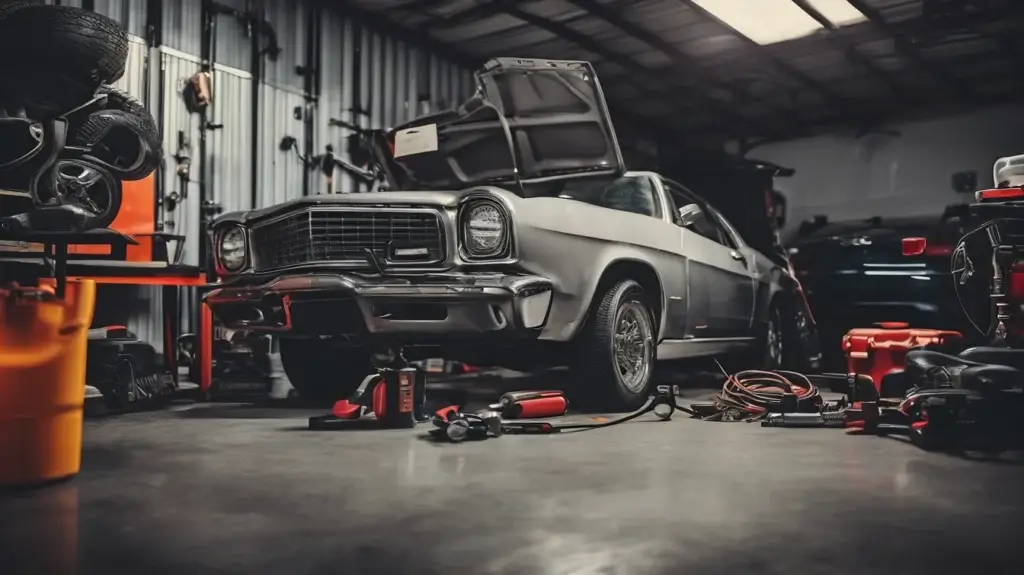
No matter how careful you are, every car owner will eventually deal with a few common problems. The good news? Most of them are easy to fix and even easier to prevent – if you know what to look for.
Whether you’re new to driving or you’ve been behind the wheel for decades, understanding these issues can save you time, money, and frustration. Let’s look at the top five car problems and how you can solve (and avoid) them like a pro.
1. Dead Battery 🔋
The problem:
You turn the key, and… nothing. The lights are dim, the engine won’t start, and you realize your battery has died. This is one of the most common car issues, especially in cold weather or if your car hasn’t been driven for a while.
How to fix it:
- Jump-start the battery using jumper cables and another vehicle (or a portable jump starter).
- If the car starts but dies again quickly, the battery might be too weak and needs replacing.
- Check the battery terminals for corrosion (white or greenish buildup). Clean them gently with a wire brush and baking soda solution.
Prevention tips:
✅ Drive your car regularly to keep the battery charged.
✅ Turn off lights, radio, and AC when the engine is off.
✅ Have your battery tested every 6–12 months, especially before winter.
✅ Replace it every 3–5 years or as recommended by the manufacturer.
2. Flat Tire or Low Tire Pressure 🚗💨
The problem:
A flat tire is one of the most inconvenient and dangerous car issues – and it always seems to happen at the worst time. Low tire pressure, on the other hand, may seem harmless but can reduce fuel efficiency and damage your tires over time.
How to fix it:
- For a flat tire: Use a spare tire and a jack to replace it (check your owner’s manual for instructions). If you’re not confident, call roadside assistance.
- For low pressure: Inflate the tire at a gas station or with a portable air compressor. Always follow the pressure recommendations on the driver’s door sticker.
Prevention tips:
✅ Check your tire pressure once a month – especially before long trips.
✅ Inspect tires for nails, cuts, or bulges regularly.
✅ Rotate tires every 5,000–8,000 miles (8,000–12,000 km) to extend their life.
✅ Don’t overload your car – extra weight can increase the risk of tire damage.
3. Engine Overheating 🌡️
The problem:
Your temperature gauge climbs into the red zone, or you see steam coming from under the hood. Overheating can be scary and dangerous – but it’s usually caused by a few common issues.
How to fix it:
- First: Safely pull over and turn off the engine immediately.
- Wait at least 15–30 minutes before opening the hood.
- Check coolant levels (when the engine is cool!) and top up if necessary.
- Inspect for leaks under the car – if you see coolant, a hose or radiator might be damaged.
- If the car continues overheating, call for assistance – driving it further could damage the engine.
Prevention tips:
✅ Regularly check and top up coolant levels.
✅ Have your cooling system flushed and refilled as recommended.
✅ Inspect radiator hoses for cracks or leaks.
✅ Never ignore early signs like rising temperature or strange smells.
4. Brakes Squeaking or Feeling Weak 🛑
The problem:
Squeaking, grinding, or reduced braking power are signs that something’s wrong with your brake system. Ignoring them could lead to dangerous driving conditions.
How to fix it:
- Squeaking often means the brake pads are worn and need replacing.
- Grinding could mean the rotors are damaged – get them inspected immediately.
- If the brake pedal feels soft or sinks to the floor, you may have a brake fluid leak or air in the brake lines (this needs professional attention).
Prevention tips:
✅ Have your brakes inspected at least once a year.
✅ Replace brake pads before they’re fully worn out.
✅ Use your brakes gently – avoid sudden stops when possible.
✅ If your car sits unused for long periods, drive it occasionally to prevent rust buildup on brake parts.
5. Check Engine Light On 🚨
The problem:
That little orange “Check Engine” light can mean anything from a loose gas cap to a serious engine issue. It’s one of the most common (and frustrating) car problems.
How to fix it:
- Step 1: Check if the gas cap is loose or damaged – a surprising number of check engine lights are caused by this simple issue.
- Step 2: If the light stays on, use an OBD2 scanner (available online for ~$20) to read the error code. This can help you understand the problem before going to a mechanic.
- Step 3: If the light is flashing, stop driving immediately – this could indicate a serious issue like engine misfire or catalytic converter failure.
Prevention tips:
✅ Keep up with regular oil changes and maintenance.
✅ Replace air filters, spark plugs, and other consumables on schedule.
✅ Use quality fuel and avoid overfilling your gas tank.
✅ Address minor issues quickly – small problems often grow into bigger ones if ignored.
Bonus Tip: Create a Simple Maintenance Routine 🧰
The best way to avoid most car problems is through preventive care. A simple monthly routine can make a huge difference:
- 🔋 Check your battery terminals
- 🚗 Inspect tire pressure and tread
- 💧 Top up fluids (coolant, oil, washer fluid)
- 🛑 Listen for unusual noises while driving
- ⚠️ Scan for dashboard warning lights
This 10-minute habit can save you hundreds (or even thousands) of dollars in repairs over time.
Final Thoughts: Small Fixes, Big Savings
Most car problems are not as scary as they seem. With a little knowledge and the right approach, you can fix many issues yourself – or at least catch them before they become expensive repairs.
Remember: prevention is always cheaper than repair. By staying proactive, keeping up with basic maintenance, and paying attention to warning signs, you’ll keep your car running smoothly for years to come.
So next time something goes wrong under the hood, don’t panic – now you know exactly what to do.